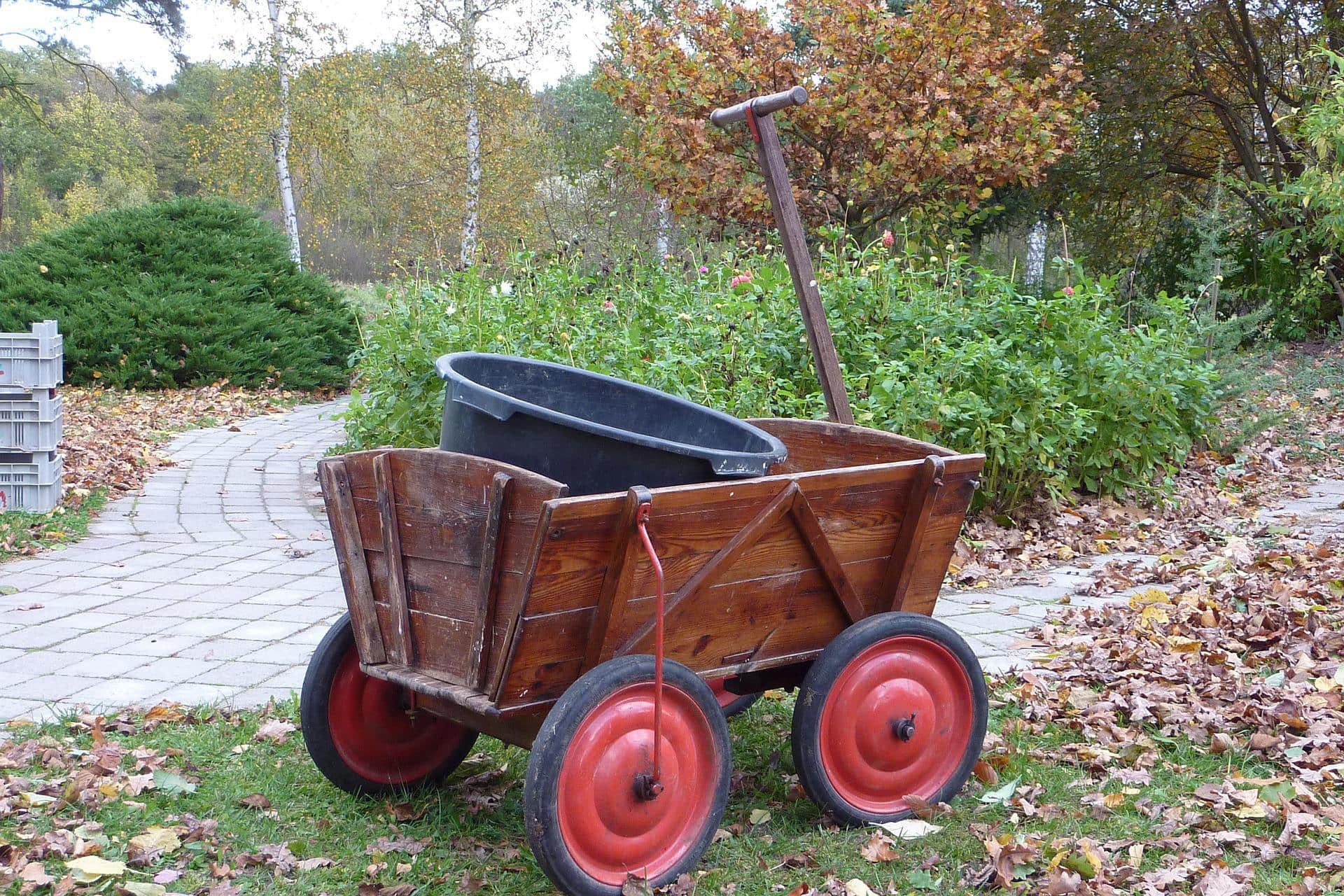
Discover the Joys of Building Your Own Garden & Grow Cart
Transforming your gardening routine from a back-breaking chore to an enjoyable activity often hinges on having the right tools. Among the most indispensable is a reliable garden cart. But what if you could create a cart perfectly tailored to your unique needs, save money, and infuse it with your personal touch? That's precisely the appeal of a DIY garden cart, or more specifically, learning how to make your own DIY grow cart.
Whether you’re lugging bags of soil, transplanting delicate seedlings, moving heavy tools, or even creating a mobile growing station for your prized plants, a homemade cart offers unparalleled versatility. Gone are the days of compromise; with a DIY approach, you dictate the size, strength, and features. In this comprehensive guide, we'll explore the compelling reasons to embark on this rewarding project, delve into essential materials, and inspire you with 10 distinct DIY garden cart plan concepts that can cater to any gardener's ambition.
Why Craft Your Own Garden & Grow Cart?
The allure of building your own garden cart extends far beyond a simple weekend project. It’s an investment in efficiency, personalization, and even your own skill set. Many gardeners, myself included, have found that commercial options often fall short in meeting specific requirements or come with a hefty price tag. By choosing to build, you gain significant advantages.
The Customization Advantage
One of the primary benefits of learning how to make your own DIY grow cart is the freedom to customize. Do you need a cart that navigates narrow garden paths? Or one robust enough to haul several bags of concrete? Perhaps you envision a tiered system to move multiple trays of seedlings or a flatbed cart to transport large planters. When you build it yourself, every dimension, feature, and material choice is yours. This level of personalization ensures your finished cart isn't just a tool, but an extension of your gardening philosophy.
Cost-Effectiveness & Durability
While the initial outlay for materials might seem significant, building your own often proves more cost-effective in the long run compared to purchasing a high-quality, durable commercial cart. Furthermore, you control the quality of construction. By using treated lumber, robust hardware, and smart design choices, you can create a cart that not only withstands the elements but also endures years of heavy use. This emphasis on durability means fewer replacements and more time spent gardening. For a deeper dive into maximizing the longevity and efficiency of your custom build, check out our guide on DIY Garden Cart: Customize, Save Money, & Boost Efficiency.
Essential Materials for Your DIY Grow Cart Project
Before you start cutting and assembling, understanding the foundational materials is crucial. Your choices here will dictate the cart's strength, longevity, and overall functionality. Here are the key components, along with some insights:
- 3/4-inch Treated Plywood: This forms the main body and bed of your cart. Treated plywood is paramount for outdoor use, offering excellent resistance to moisture, rot, and insect damage. Having it cut to size at a hardware store can save you time and ensure precise edges.
- Treated 2x4 Lumber: Ideal for the frame, handles, and any structural supports. Like plywood, using treated wood for these components is vital for resisting the harsh outdoor environment and ensuring your cart doesn't succumb to decay.
- Heavy-Duty Wheels: The heart of your cart's mobility. Consider the terrain you'll be navigating. Large, pneumatic tires are excellent for rough, uneven ground, while solid rubber wheels might suffice for smoother surfaces. Repurposing old bicycle tires is a clever way to save money and add character.
- Axle Components (Metal Conduit, All-Thread Rod, Washers, Lock Nuts): These create a robust and stable axle for your wheels. The all-thread rod provides strength, while washers and lock nuts secure everything in place.
- 1-inch Wooden Dowel: Perfect for a comfortable, sturdy handlebar. It's easy to grip and install, offering ergonomic control.
- Aluminum Trim: Not just for aesthetics, trim adds significant durability to the edges of your plywood bed, protecting against dings and wear. Mitering the corners with a saw creates a professional, polished finish.
- Heavy-Duty Construction Adhesive & Screws: These are your bonding agents. Using them in combination provides superior strength, ensuring that all components are securely fastened and can withstand heavy loads and constant movement.
- Wood Preservative/Sealant: Even with treated wood, an additional layer of sealant or paint can further protect your cart from UV rays and moisture, extending its lifespan considerably.
Exploring 10 DIY Garden Cart Plan Concepts
The beauty of building your own is that "plans" can be broad concepts, adapted to your specific needs. Here are ten distinct approaches or features you can incorporate when considering how to make your own DIY grow cart:
- The Classic Utility Flatbed: This is your workhorse. A simple, sturdy platform with robust wheels, designed to haul anything from bags of soil and compost to heavy pots and tools. Its versatility makes it a staple for any serious gardener.
- Tiered Mobile Grow Stations: Ideal for those who want to maximize space or move seedlings and smaller plants to catch optimal sunlight. This design incorporates multiple shelves, transforming your cart into a mobile greenhouse or plant display.
- Heavy-Duty Dump Carts: Incorporate a tilting bed mechanism, similar to commercial dump carts, for easy unloading of soil, mulch, or garden waste. This feature significantly reduces manual effort.
- Repurposed & Upcycled Carts: Think outside the box! Start with an old wagon frame, a sturdy hand truck, or even an antique piece of furniture. Integrating new lumber and wheels can breathe new life into forgotten items, creating a truly unique and eco-friendly cart.
- Compact & Collapsible Designs: For gardeners with limited storage space, a cart that can fold down or disassemble easily is a game-changer. This might involve hinged sides or removable handles.
- Dedicated Plant Movers: Design a cart with features specifically for moving potted plants, such as shallow wells to prevent tipping, or side rails that adjust to different pot sizes.
- Tool & Supply Organizers: Integrate compartments, hooks, or a small storage box directly onto the cart. This keeps your essential hand tools, gloves, and small bags of amendments readily accessible as you work.
- Raised Bed on Wheels: Imagine a small, mobile raised garden bed! Perfect for growing herbs, lettuces, or flowers, allowing you to easily chase the sun or bring plants indoors during adverse weather.
- The Wheelbarrow Alternative: If you find traditional wheelbarrows unwieldy, a four-wheeled garden cart offers greater stability and often a larger capacity, distributing weight more evenly.
- Ergonomic Haulers with Extended Handles: Customize the handle length and height to suit your stature, reducing strain on your back. An extended handle can also improve leverage for heavier loads.
General Steps to Bring Your Grow Cart to Life
While each of the 10 concepts above will have unique twists, the fundamental steps for building a durable DIY grow cart remain consistent. The process is rewarding, offering a tangible sense of accomplishment with each completed stage.
Planning & Preparation
Before you cut a single piece of wood, meticulously plan your design. Sketch out your ideas, determine your desired dimensions based on what you'll be hauling, and create a precise cut list for your lumber and plywood. Remember to account for the thickness of materials when calculating joint dimensions. Gather all your tools and safety equipment.
Cutting & Assembly
Begin by cutting all your plywood and lumber to the specified dimensions. This is where precision pays off. Assemble the base and main frame first, using construction adhesive in conjunction with screws for maximum strength. Ensure all joints are square and secure. This forms the backbone of your cart, so take your time and double-check your work.
Adding Wheels & Finishing Touches
Once the main structure is solid, it's time to install the axle and wheels. This step transforms your stationary frame into a mobile marvel. Attach your wooden dowel handlebar, ensuring it's at a comfortable height. Finally, add any aluminum trim, sand down rough edges, and apply a protective sealant or paint. This not only enhances durability but also gives your custom Build a Durable DIY Garden Cart: Easy Steps for Beginners a professional, finished look.
Conclusion
Embarking on the journey of building your own DIY garden or grow cart is more than just a home improvement project; it's an empowering act of customization and self-sufficiency. From hauling heavy loads of soil to creating a mobile display for your favorite plants, a custom-built cart becomes an invaluable companion in your gardening endeavors. By considering the essential materials and exploring the diverse plan concepts we've discussed, you're well-equipped to design and construct a cart that perfectly aligns with your unique needs. So, gather your tools, unleash your creativity, and get ready to experience the unmatched satisfaction of pushing your very own, perfectly crafted DIY grow cart through your garden.
